Decorators Best
230K SKUs is not an asset.
It's a liability - unless shoppers can navigate it.
How DecoratorsBest converted catalogue depth from a paralysis problem into a guided discovery engine - and grew recommendation-driven orders nearly 4x in the process.
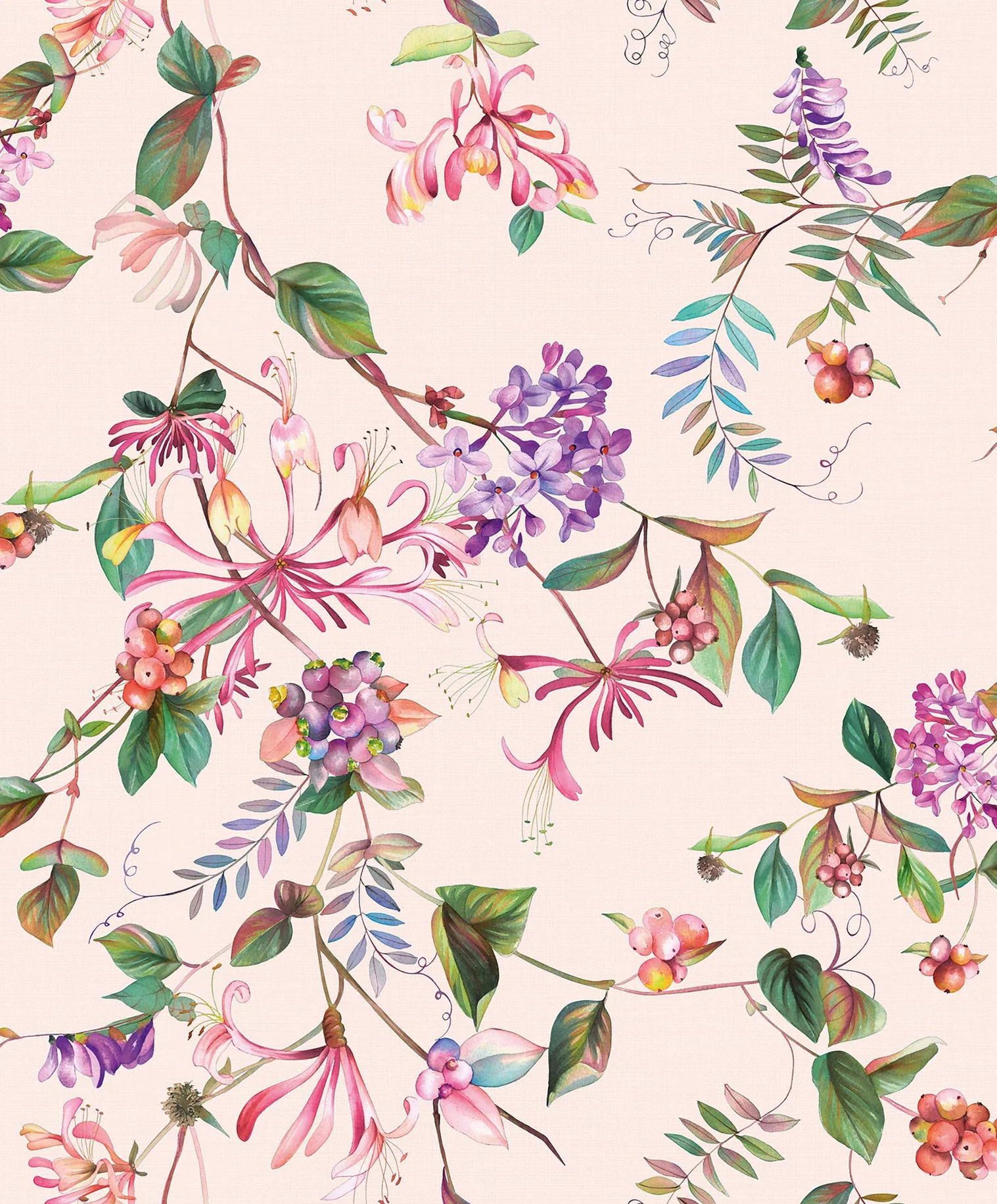
→ Watch a 230,000 SKU catalogue become navigable in seconds
RecoMelon installs in under a day. First influenced orders in 60min.
No code, no engineering, no catalogue prep.
Message our team on WhatsApp to see how RecoMelon fits your store. Or, run a free PDP audit - see your rec relevance score.
- The situation
Wallpaper isn't impulse. It's a commitment. And commitment requires confidence.
DecoratorsBest carries over 230,000 SKUs. Wallpaper. Fabric. Upholstery. Pattern. Texture. Colour. Scale. That depth is genuinely impressive. But depth without navigation is not an advantage - it's a conversion problem.
Home decor decisions are among the highest-consideration purchases a consumer makes online. A wallpaper choice isn't reversed at checkout. It's reversed with a paint roller and a weekend of regret. Customers know this. They hedge. They hesitate. They order samples.
The sample purchase is the gateway event. It is the micro-commitment that unlocks the macro-conversion. And the critical question - the one that determines whether that gateway opens - is whether the shopper can find enough adjacent, visually coherent alternatives to feel confident testing.
"Most brands think scale is leverage.
In home decor, scale without guidance is paralysis."
- The category dynamics
In a 230,000 SKU catalogue, poor discovery isn't inconvenient. It's fatal.
If your catalogue is 200 SKUs, a weak recommendation module is a missed opportunity. If your catalogue is 230,000 SKUs, a weak recommendation module is a structural growth constraint. The math is unforgiving: the larger the inventory, the more dangerous generic recommendations become.
In fashion, a shopper who can't find what they want leaves. In home decor, a shopper who can't find what they want defers the decision entirely - sometimes for weeks. That deferral is not a lost sale today. It is a lost purchasing cycle.
DecoratorsBest also faces a challenge unique to large home decor catalogues: inventory velocity. Patterns discontinue. Collections rotate. Manufacturers retire designs. A shopper who bookmarks a product and returns to find a 404 page doesn't just lose a product - they lose momentum. And momentum is the single most valuable asset in a high-consideration purchase journey.
- The intervention
Visual mapping at catalogue scale. No tags. No rules. No manual curation.
RecoMelon didn't increase DecoratorsBest's inventory. It increased its navigability. Every product image across 230,000 SKUs was visually mapped - by what it actually looks like.
Not tagged manually. Not rule-based. Not dependent on prior purchase history. The system understood pattern density, motif similarity, colour adjacency and texture continuity - automatically, across the entire catalogue.
When a customer viewed a botanical wallpaper in sage green, the system surfaced slightly denser botanicals, airier interpretations, tonal variations and close aesthetic neighbours. Instead of overwhelming choice, customers were given guided adjacency. That's the difference between browsing and progressing toward a sample order.
- The outcome
Customers stopped wandering. They started committing.
These are behavioural signals - evidence that shoppers re-engaged with the recommendation module once it became visually coherent. Reporting period: 16 Mar - 15 Apr 2026.
Executive interpretation
A ~4x increase in recommendation-driven orders is not primarily an AOV story. It is a commitment story. For every incremental order influenced by Shop Similar, there is a shopper who found enough adjacent coherence to order a sample - the micro-commitment that precedes every full-roll purchase in this category. That is the growth lever that compounds over time.
- The structural insight
Scale isn't the problem. Navigability is.
The strategic insight from DecoratorsBest is transferable to any large-catalogue home, fabric or interiors retailer: the problem is never the number of products. The problem is whether customers can move through them with confidence.
RecoMelon converted 230,000 SKUs from a paralysis problem into a guided discovery engine. The catalogue didn't shrink. The journey through it became coherent.
For brands in high-consideration categories - where the purchase cycle spans weeks, where samples are the gateway, where 404s destroy momentum - this is not a merchandising optimisation. It is a structural change in how the business converts intent into commitment.
- Strategic takeaway
The bigger your catalogue, the more expensive poor discovery becomes.
A ~5x increase in recommendation clicks is not a UX metric. It is evidence that shoppers - who had been ignoring the module entirely - re-engaged once it became visually coherent. That re-engagement is the prerequisite for every other commercial outcome: the sample order, the return visit, the full-roll purchase.
And in a category where each of those steps may be weeks apart, the compounding effect is significant:
The question for any large-catalogue home decor brand is not whether their recommendations could be better. The question is: how many sample orders are you not getting because shoppers can't find coherent adjacency at the moment they need it?
View more case studies
Shopify brands use RecoMelon to fix bounce, grow AOV, and turn PDPs into high-converting discovery tools. Here’s how.