API-led visual discovery for headless Shopify

Bring RecoMelon product intelligence into a headless storefront

Headless storefronts need discovery services that fit existing presentation, caching, analytics and release patterns. RecoMelon can be scoped as an API-led product intelligence layer across search, collections, PDP alternatives and complementary-product experiences.

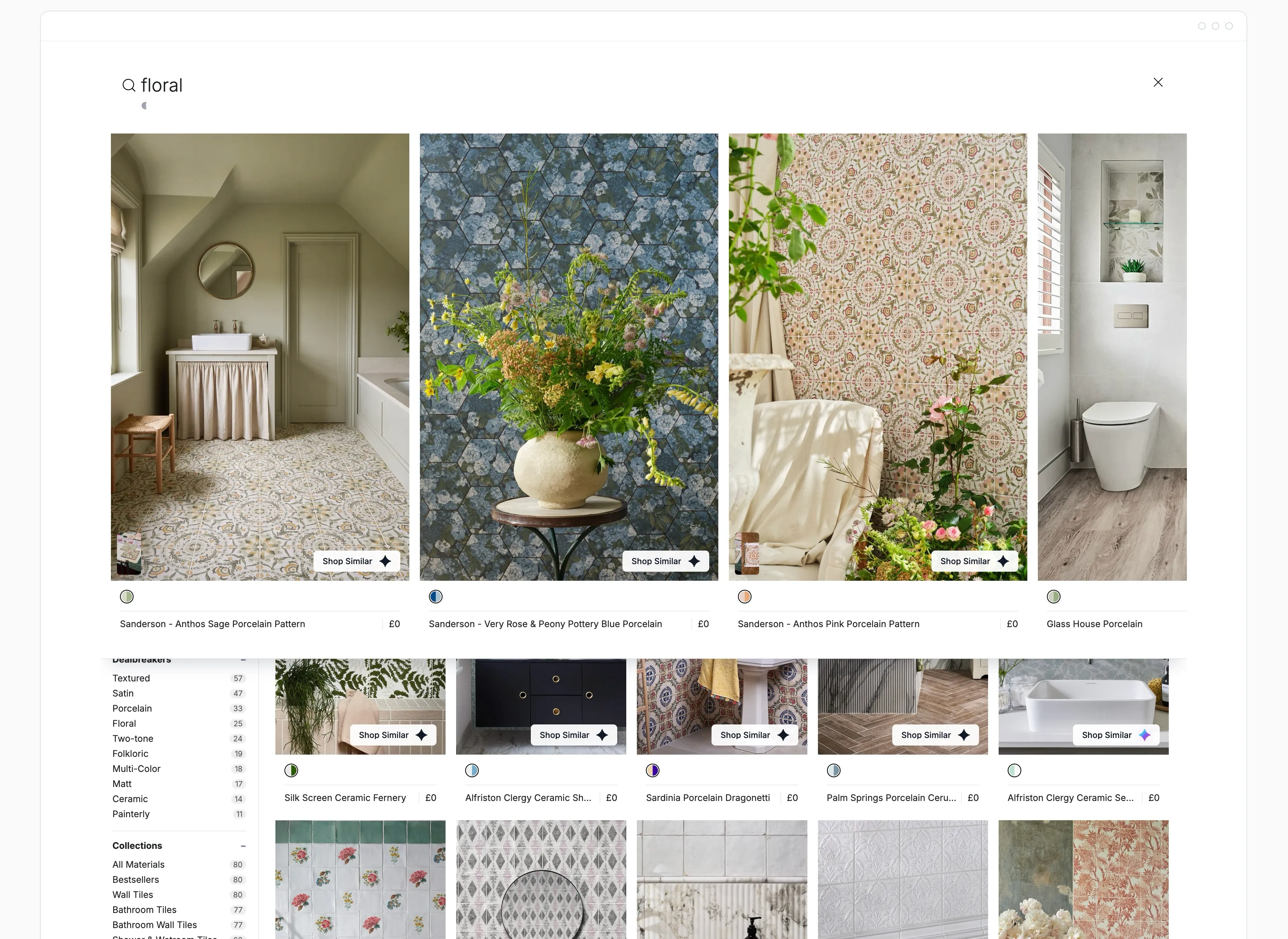
The Index search interface showing a natural language query and matching products

The discovery problem

Add intelligence without fragmenting the storefront.

A headless Shopify experience already has decisions about rendering, routing, caching and analytics. Adding product discovery can create friction when a new surface does not fit those conventions or when ownership of product and variant data is unclear.

Define the shopper journey and the technical boundary together. A PDP alternative surface, collection experience and search interface have different rendering and freshness requirements, so the implementation should follow the chosen task rather than a generic embed assumption.

Where RecoMelon fits

Evaluate the intelligence behind the experience.

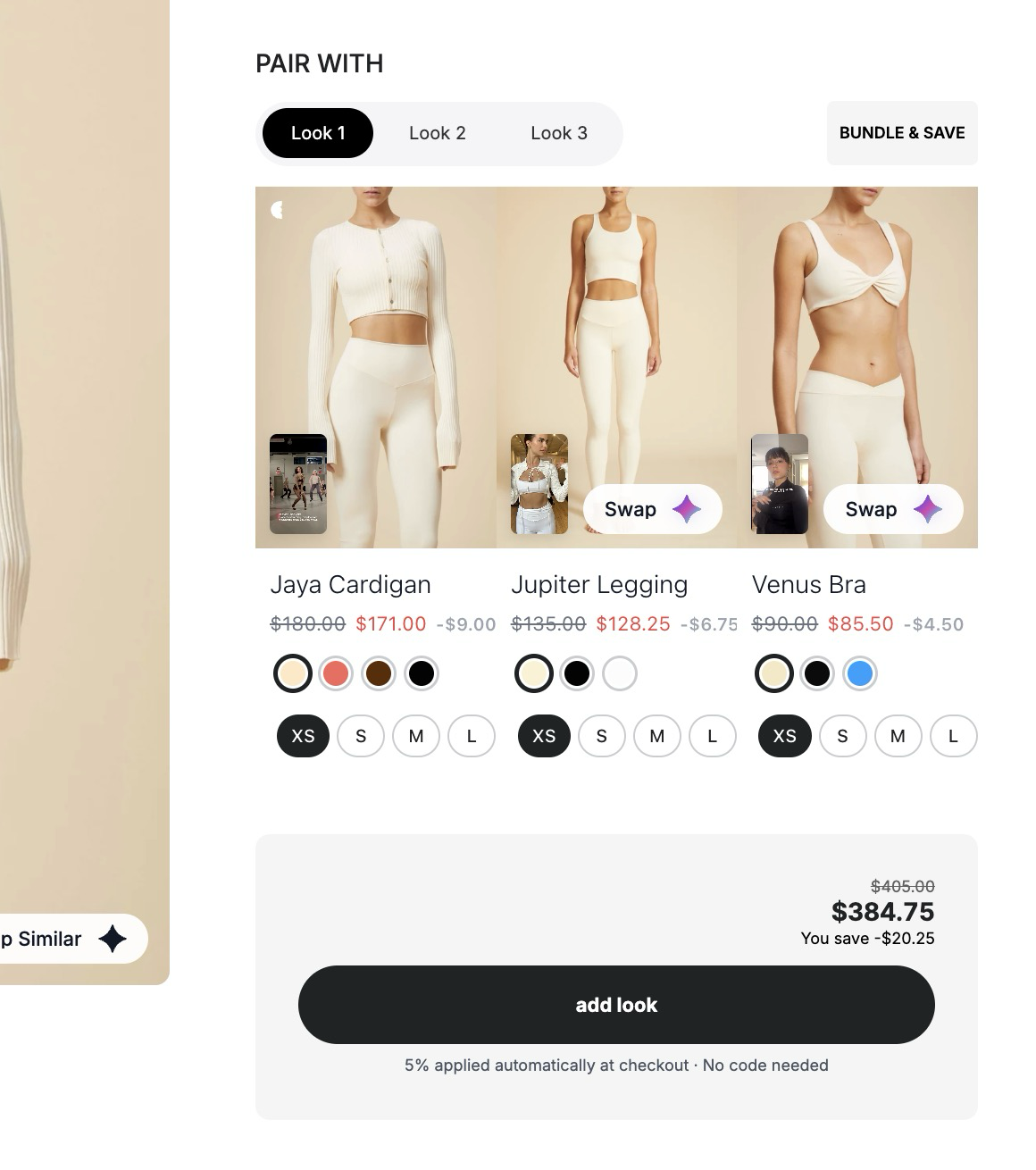
VisualDNA™ can support relevant product alternatives, while The Index™ and Bundles™ address search and complementary-product decisions. An API-led RecoMelon approach can be scoped so the storefront team presents the relevant intelligence through its existing components.

Confirm the available delivery contract for the specific surface before committing to implementation. Keep product data authoritative for prices, variants, inventory and markets, and review whether the proposed output meets the brand's design and accessibility requirements.

Coexistence and implementation

Agree the contract before building the interface.

Document catalog ingestion, product identifiers, request and response responsibilities, cache freshness, analytics events and release ownership. Define what the shopper sees when recommendations are delayed or unavailable and how stale availability is prevented from becoming a misleading offer.

Keep essential product and collection content crawlable, preserve canonical URLs and internal links, and validate keyboard interaction. Headless delivery is architecture-specific; no off-the-shelf connector or implementation timetable is assumed.

Evaluation and evidence

Test operational quality alongside discovery value.

Use a representative storefront route and category to assess relevant product exposure, recommendation engagement and progression to purchase. Compare performance and rendering behavior with the team's agreed baseline on desktop and mobile.

Track integration effort, data freshness, fallback behavior and ongoing maintenance as well as conversion or basket outcomes. A contained test should show both that the experience helps shoppers and that the storefront team can operate it reliably.

How does RecoMelon work with headless Shopify?

Headless delivery is scoped to the storefront architecture. Define catalog ingestion, API responsibilities, rendering, caching, fallbacks, analytics and ownership before implementation.

Can the existing design system be retained?

Yes. An API-led approach allows the storefront team to present RecoMelon intelligence through the brand’s own components and interaction patterns.

What should be considered for SEO?

Keep important product and collection information server-rendered or otherwise crawlable, maintain canonical URLs and internal links, and avoid relying exclusively on client-side interaction for essential content.

Map discovery to your headless architecture

Share the storefront stack, catalog model and target surfaces. We’ll identify the APIs, ownership and rollout approach required.

Request a catalog review