Algolia alternative and visual discovery layer for Shopify

RecoMelon vs Algolia for Shopify product discovery

Algolia is widely used as a configurable search and retrieval platform. RecoMelon takes a product-led approach to Shopify discovery, using product imagery and catalog context to connect search, collections, PDP alternatives and complementary bundles. Compare the two around the surfaces you need to improve, the resources available to your team and how quickly you need to prove commercial value.

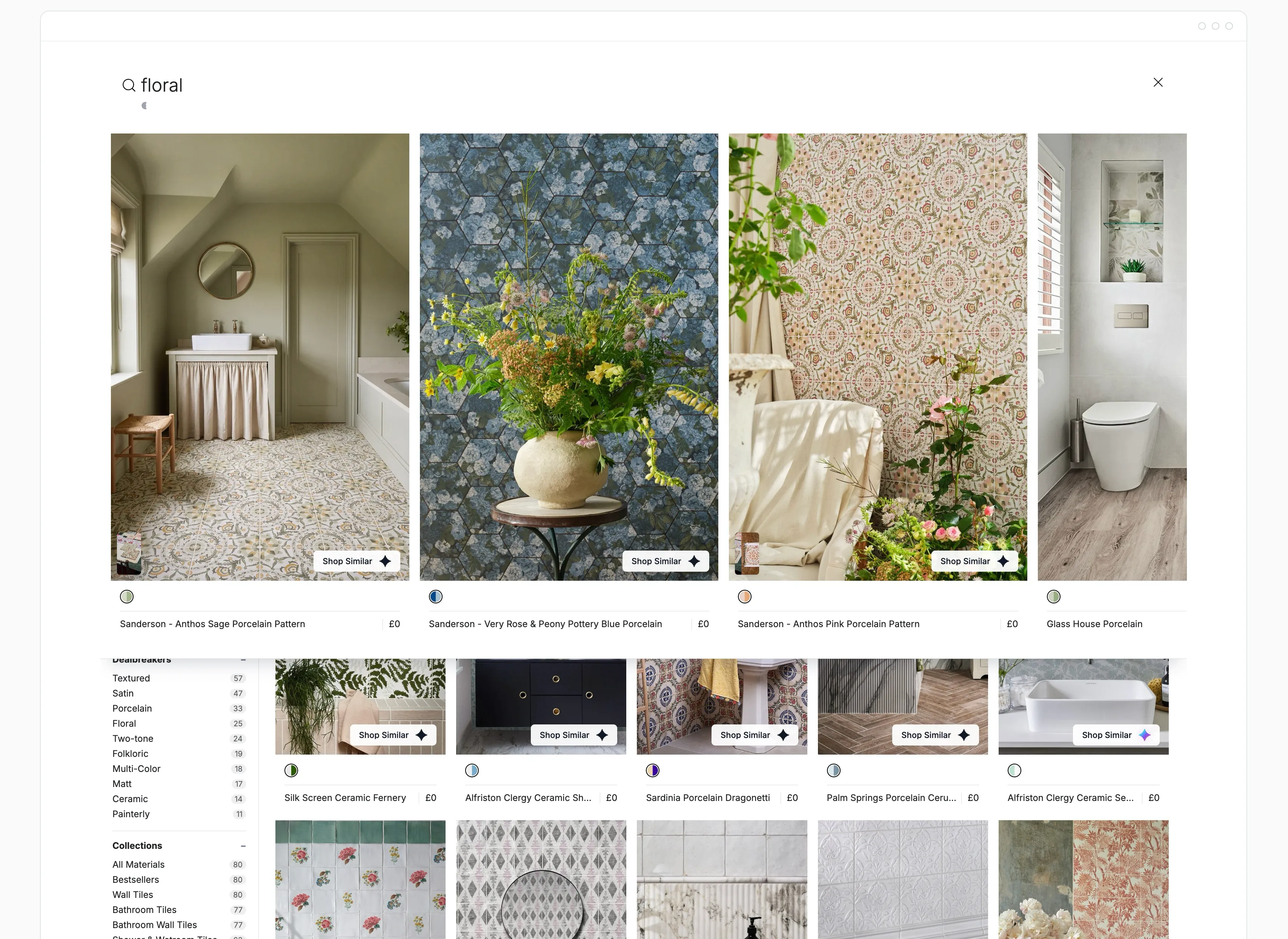
The Index search interface showing a natural language query and matching products

The discovery problem

Find the gap beyond the search box.

An Algolia-powered search experience may already serve important catalog queries. The remaining question is what happens when a shopper reaches a product that is close, but not quite right: the color, shape or detail may be wrong even when the search result was relevant.

Map those moments before comparing platforms. Separate problems in query relevance from problems in visual alternatives, new-product exposure and basket building. That gives the team a specific discovery journey to improve without treating every issue as a search migration.

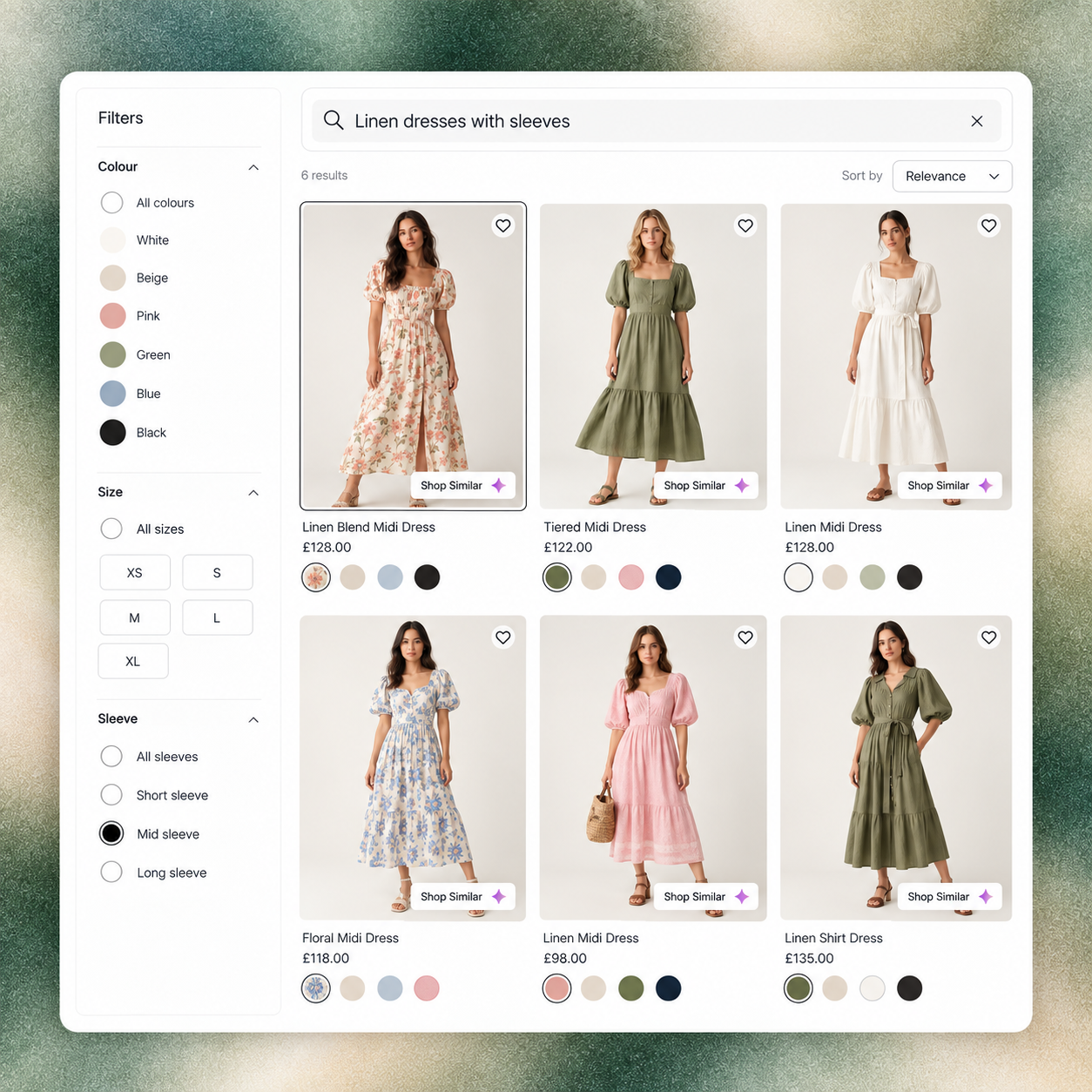
RecoMelon product search for linen dresses with sleeve, colour and size filters, model photography and Shop Similar controls.

Where RecoMelon fits

Use the product in view as the starting point.

  • The discovery task

    VisualDNA™ uses product imagery to form visual relationships. Shop Similar and Reveal™ can turn the product a shopper is considering into a route to relevant alternatives. IntentWeave™ supports that discovery with attributes drawn from visible product characteristics.

    RecoMelon product search for linen dresses with sleeve, colour and size filters, model photography and Shop Similar controls.

  • The implementation boundary

    Evaluate these surfaces where visual intent matters to your range.

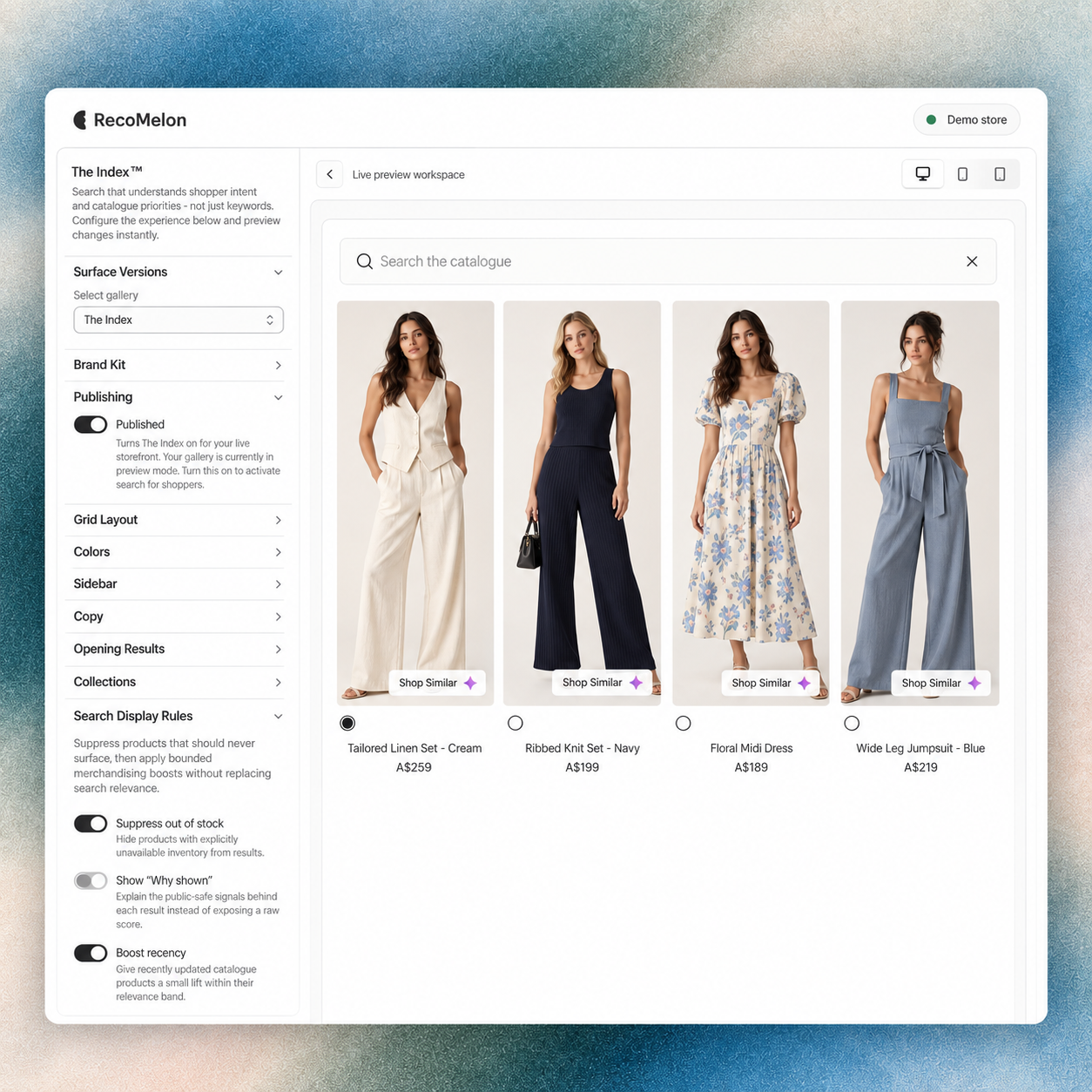
    RecoMelon The Index designer with merchandising controls and a varied fashion assortment preview.

  • The conditions to validate

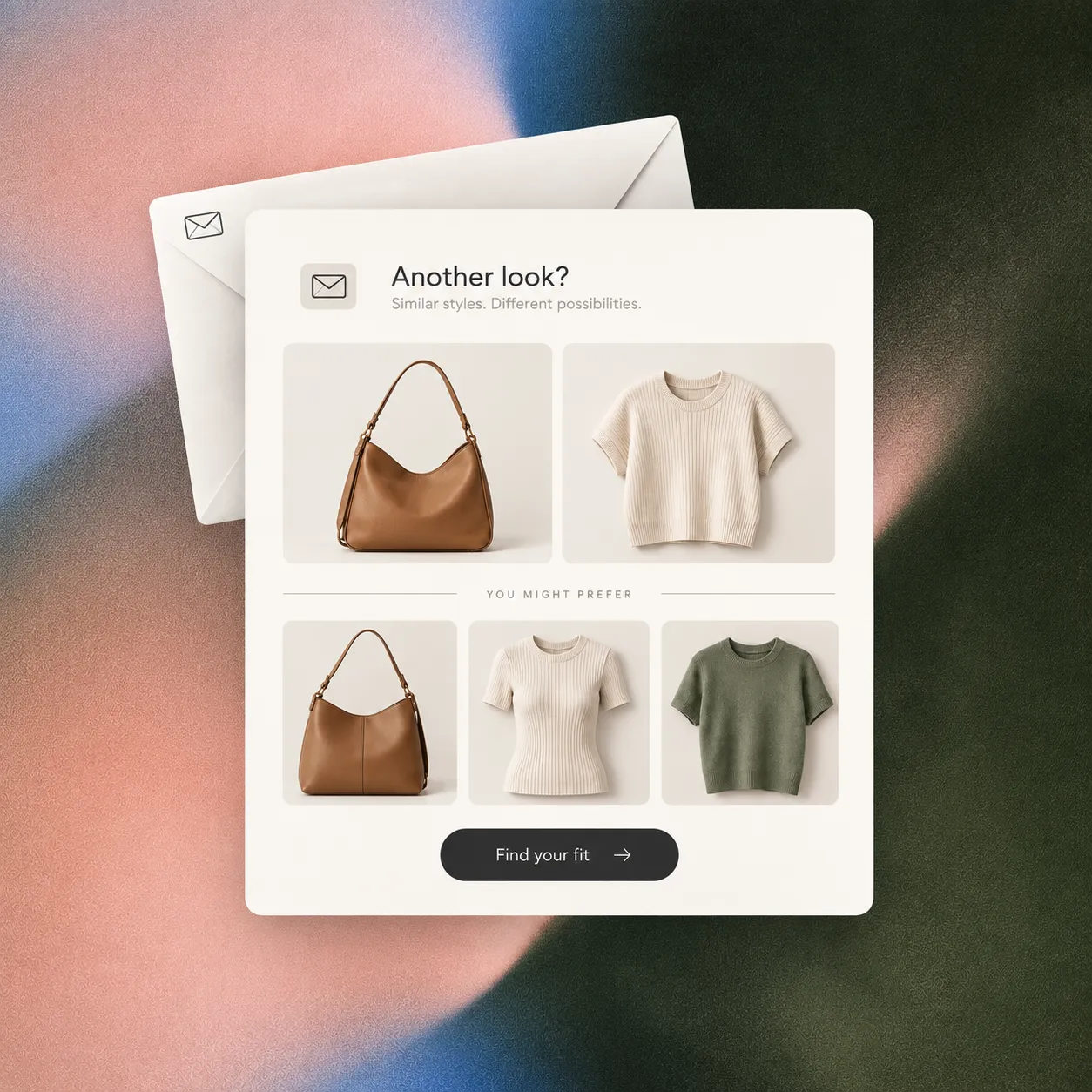
    The Index™ is a separate search opportunity to assess if natural-language discovery is part of the brief; it does not need to be the first surface you change.

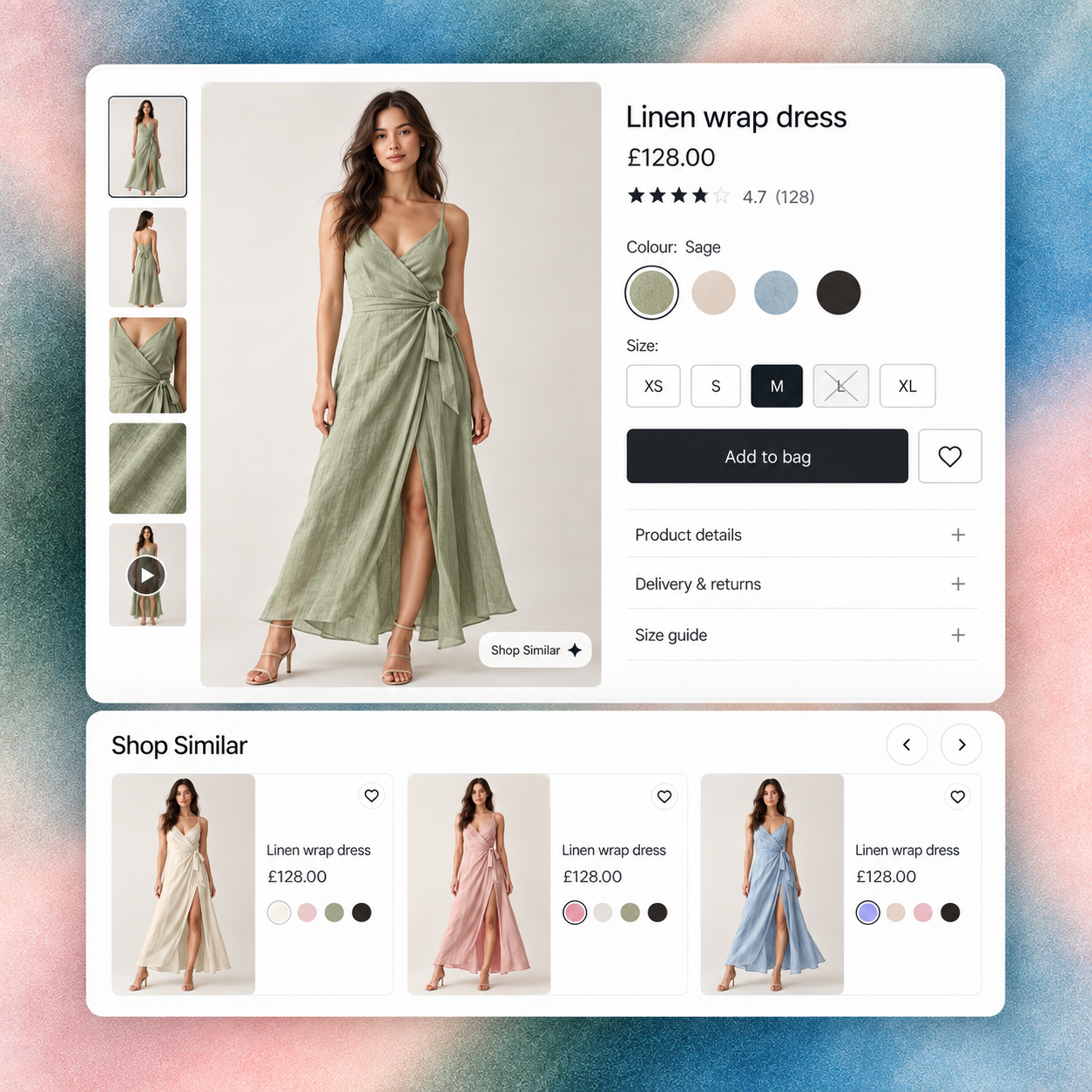
    Fashion product page for a sage wrap dress with colour and size choices, an unavailable size and RecoMelon Shop Similar alternatives.

Coexistence and implementation

Give each discovery surface a clear owner.

  • Define the implementation scope

    Keep the existing Algolia deployment responsible for the search experiences you retain. Scope a RecoMelon test on selected PDPs or a defined category, with explicit ownership of the interface, product updates, stock and market eligibility, and analytics.

  • Confirm the operating boundaries

    A native Algolia connector is not assumed. Agree the data and implementation path with both owners, including how competing recommendation placements are avoided and what shoppers see if the test surface is unavailable.

Evaluation and evidence

Compare journeys, not feature counts.

Before launch, record how shoppers move from the selected PDPs to another relevant product. Define the eligible audience, test period and attribution rules, then assess recommendation engagement, products explored, long-tail product exposure and conversion alongside implementation effort.

Where traffic supports it, use a concurrent control. Separate recommendation-influenced orders from evidence of incremental lift, and account for changes in stock, promotions and acquisition mix before deciding whether to expand.

Do I need to replace Algolia to use RecoMelon?

Compare the platforms when search, recommendations and merchandising need to work across a large or visually complex catalogue.

Bloomreach presents a broad discovery platform. RecoMelon concentrates on making product imagery and catalogue context operational inside Shopify journeys.

What makes RecoMelon different?

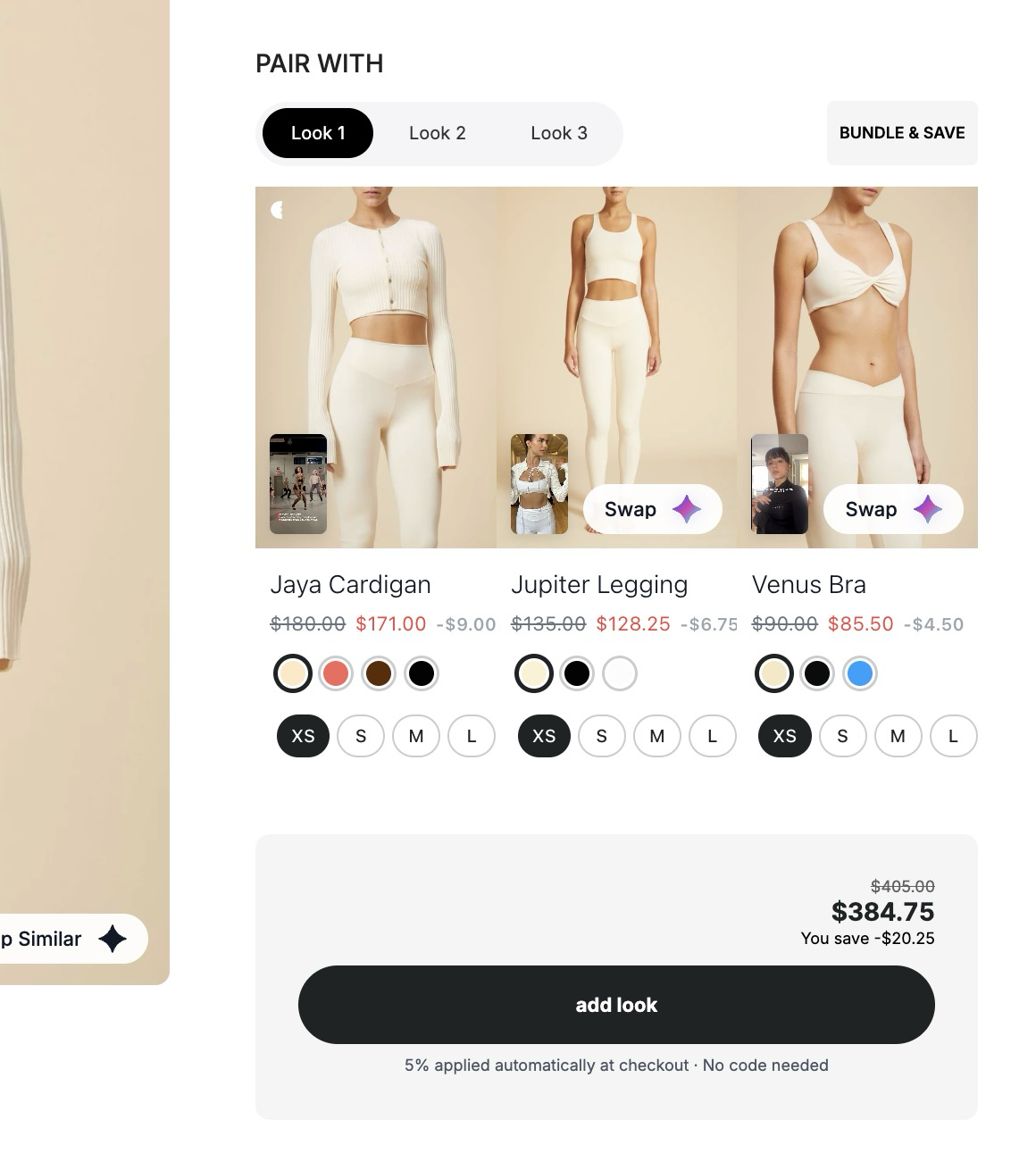
RecoMelon builds visual relationships between products and uses them across The Index™ search, Smart Collections, Reveal™ PDP discovery and Bundles™. This can be particularly useful where style, colour, silhouette, pattern or finish affect relevance.

Must Bloomreach be removed first?

No. Scope which platform owns each surface and run a controlled test. RecoMelon can begin with PDP alternatives, a selected collection or complementary-product discovery while the current search stack remains live. No native Bloomreach connector is assumed.

What should procurement evaluate?

Review catalogue preparation, integration ownership, merchandising workload, time to value, regional requirements, explainability, reporting and the commercial result on a representative category.

No. RecoMelon can be introduced alongside an Algolia-powered storefront. A brand can keep its existing search deployment while testing RecoMelon on visually aligned recommendations, PDP alternatives, Smart Collections or complementary bundles.

Where is the practical difference?

Algolia provides a highly configurable search platform. RecoMelon is designed specifically around Shopify product discovery and visual product relationships. Its VisualDNA™ and IntentWeave™ capabilities help interpret characteristics such as color, silhouette, pattern and style without requiring a large manual classification project.

What should an evaluation compare?

Compare relevance for natural-language and visual-intent queries, discovery of new and long-tail products, merchandising control, collection performance, PDP continuation, bundle quality, implementation effort and measurement. The right answer may be coexistence rather than immediate replacement.

Can we test RecoMelon on one surface?

Yes. Start with one category, one market or a selected discovery surface. Establish the baseline, agree ownership between platforms and expand only where the results justify it. A native Algolia connector is not assumed.

Compare RecoMelon with Algolia on your own catalog

Show us the queries, categories or PDP journeys where discovery is underperforming. We’ll map a focused test that preserves the parts of your current stack that already work.

Compare on your catalog