Yext alternative for Shopify product discovery

RecoMelon vs Yext for Shopify product discovery

Yext supports search and digital experiences across multiple business use cases. RecoMelon is focused on Shopify product discovery, using catalog imagery and context across search, collections, PDP alternatives and complementary bundles. Compare them around the specific storefront journeys, data sources and operating model your brand needs.

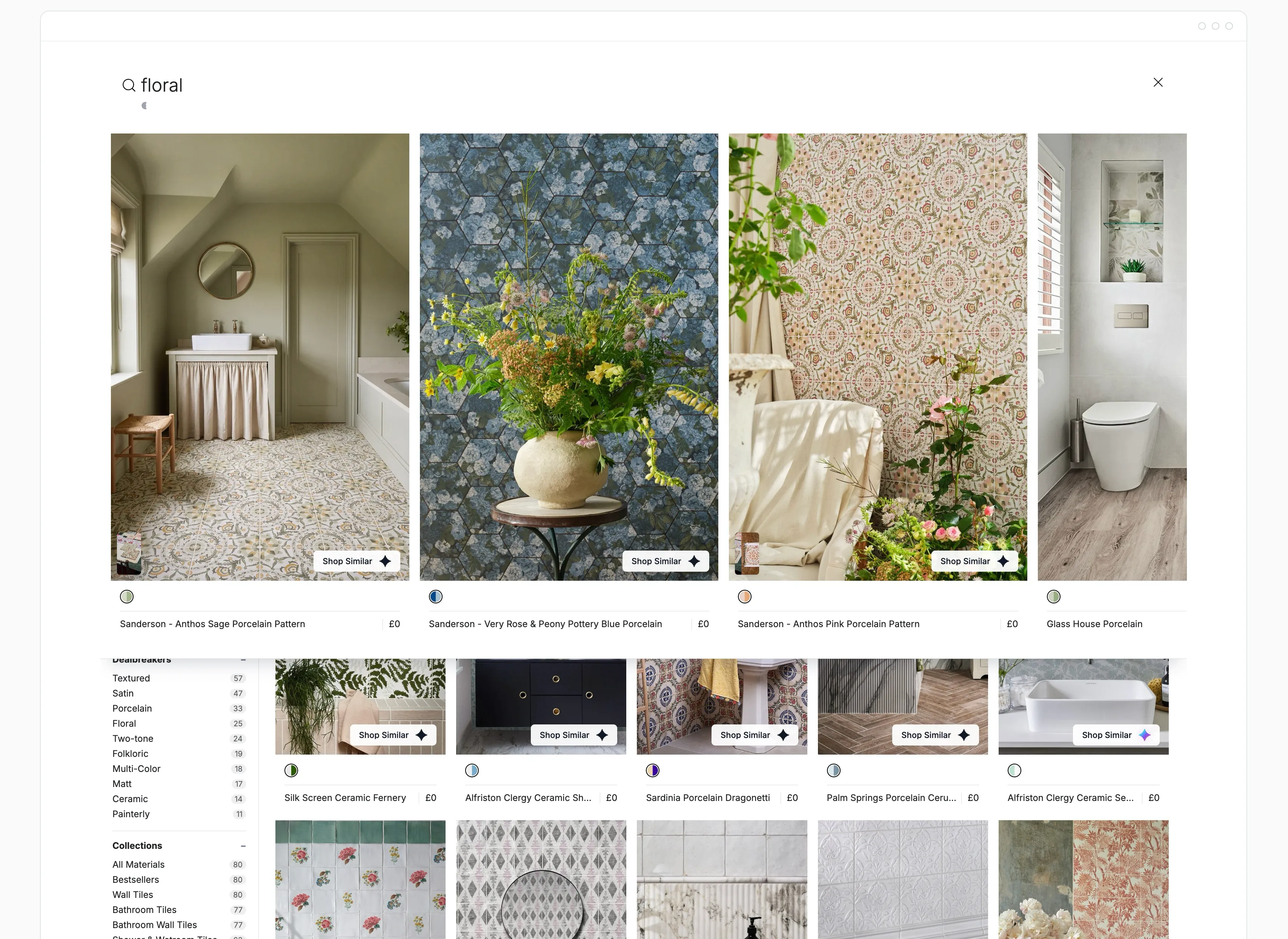
The Index search interface showing a natural language query and matching products

The discovery problem

Separate an answer-finding task from a product choice.

A customer searching across a brand's digital estate may need a service answer, a location or a product. A Shopify shopper comparing items has a more specific task: finding an available product that fits a visual preference and a practical requirement.

For a brand using Yext, map where the wider search journey ends and storefront product selection begins. The evaluation should focus on that boundary and on the decisions shoppers cannot complete easily today.

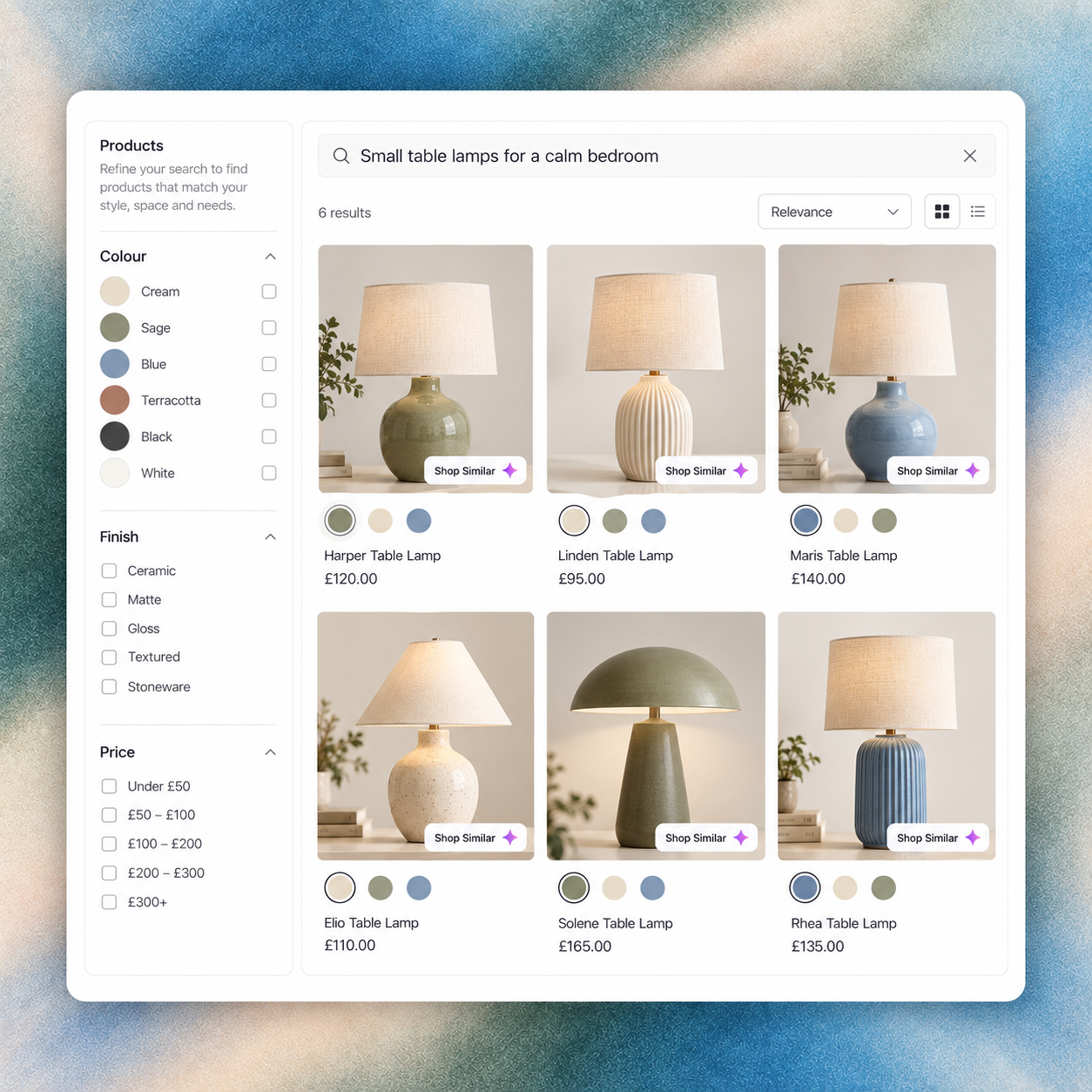
RecoMelon natural-language search for bedroom table lamps with colour and finish filters and visual product results.

Where RecoMelon fits

Make catalog relationships useful inside Shopify.

  • Where RecoMelon fits


    The discovery task

    RecoMelon's product-discovery surfaces use imagery and catalog context to support shopping decisions. The Index™ addresses natural-language product queries; Shop Similar and Reveal™ offer visual alternatives when a shopper is already considering an item.

    RecoMelon natural-language search for bedroom table lamps with colour and finish filters and visual product results.

  • Where RecoMelon fits


    The implementation boundary

    Pick the surface that matches the observed problem.

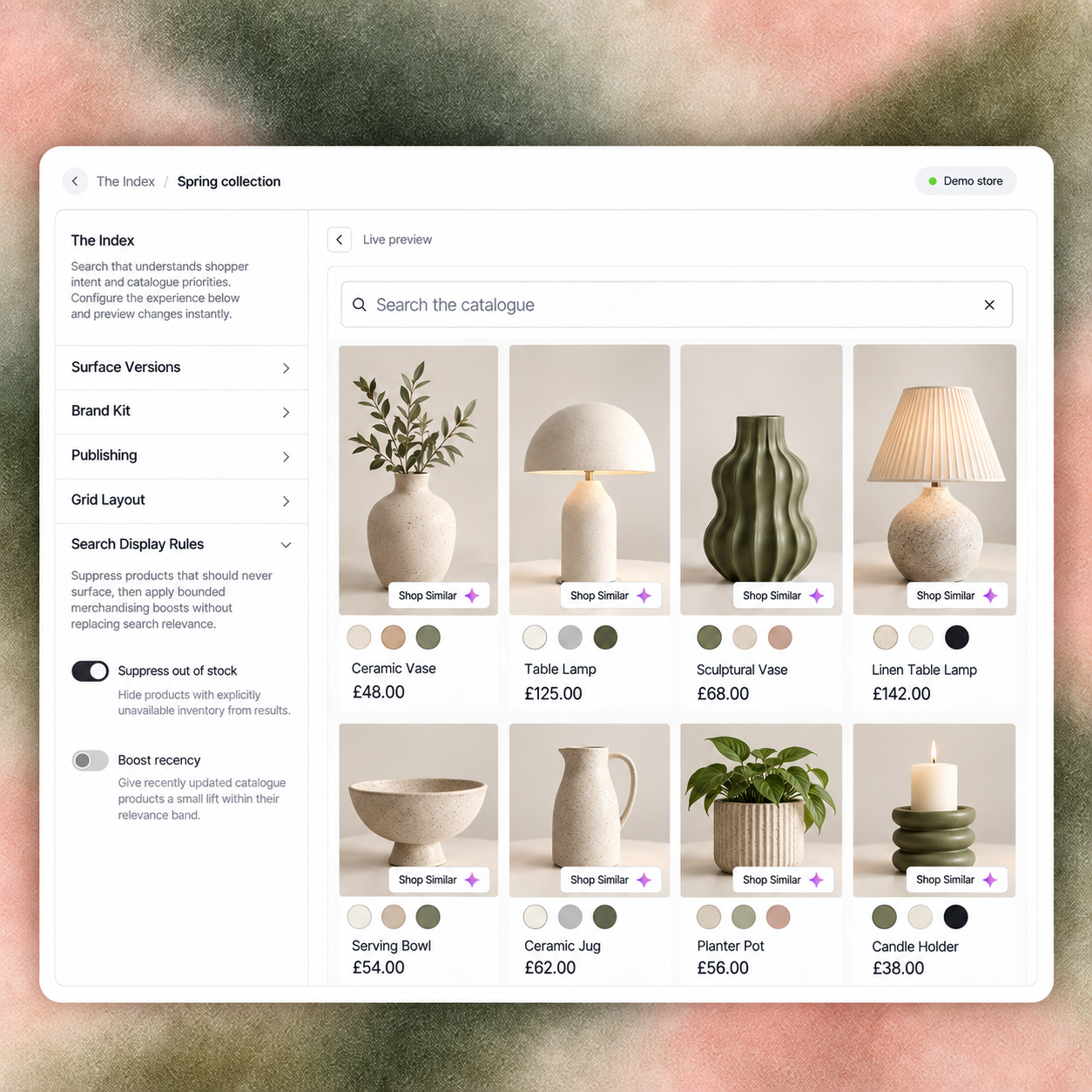
    RecoMelon The Index designer with merchandising settings and a populated home décor collection preview.

  • Where RecoMelon fits


    The conditions to validate

    A product-alternatives test has different success criteria from a wider site-search initiative, and neither should be treated as proof that the other system's responsibilities have been covered.

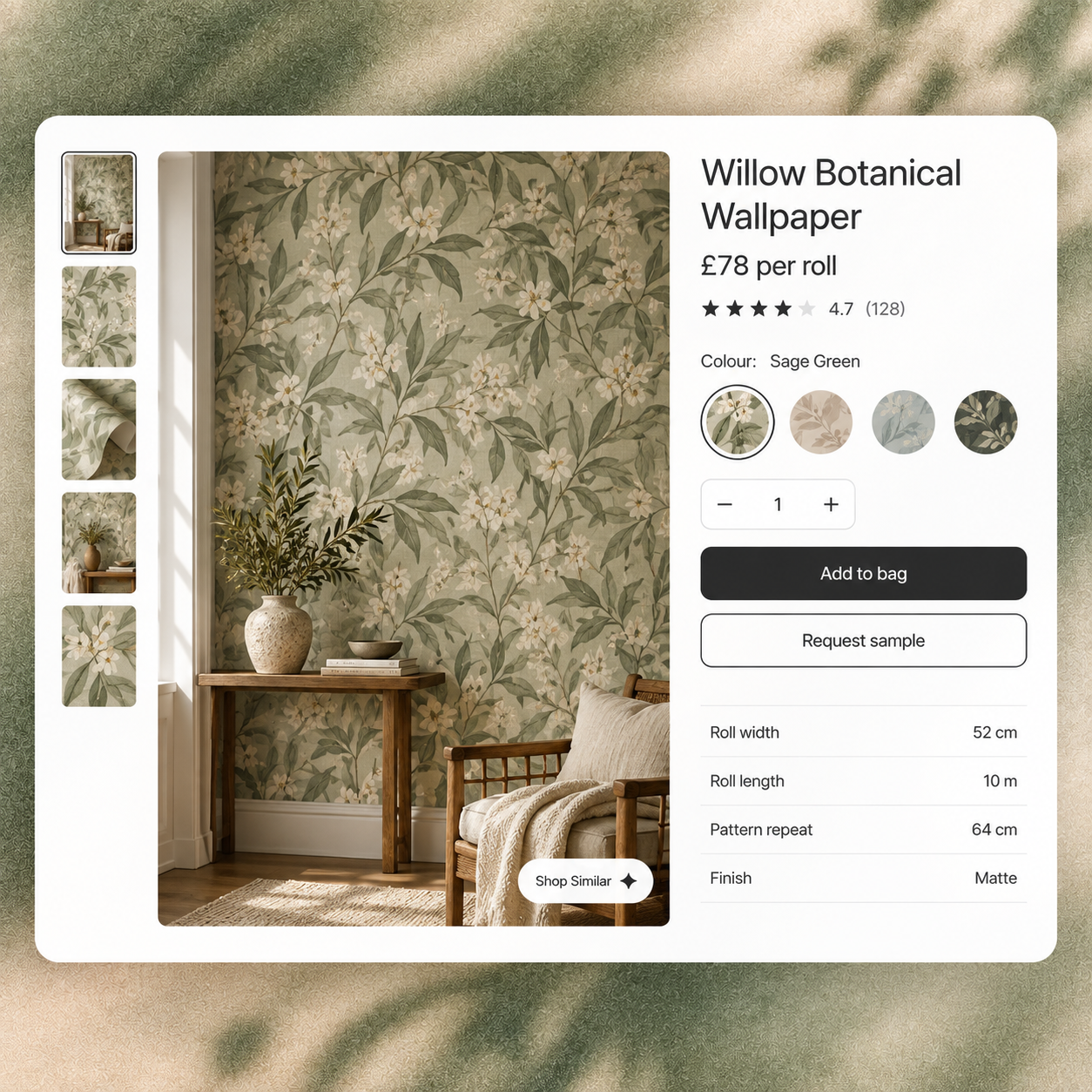
    Botanical wallpaper product page with room photography, roll dimensions, pattern repeat, sample ordering and RecoMelon Shop Similar.

  • Where RecoMelon fits


    Review pattern-led alternatives

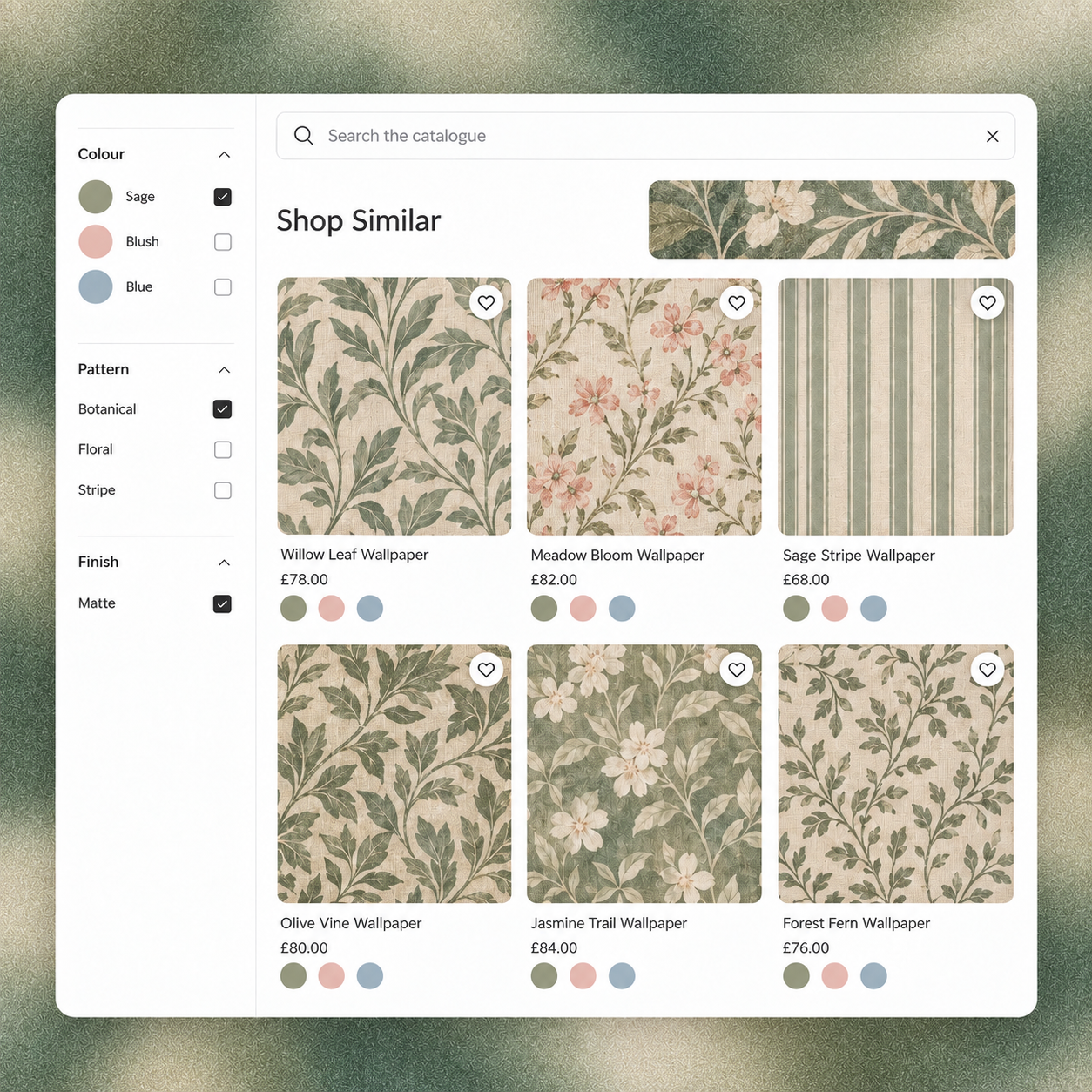
    Use wallpaper examples to assess visual relevance while keeping product specifications grounded in catalogue data.

    RecoMelon Shop Similar wallpaper grid with botanical patterns and colour, pattern and finish filters.

  • Where RecoMelon fits


    Evaluate coordinated room choices

    Review complementary room selections as a separate placement with agreed merchandising and availability rules.

    RecoMelon Bundles showing wallpaper, a cushion and a lamp with Look tabs, colour choices and product swap controls.

Coexistence and implementation

Keep wider search responsibilities explicit.

  • Define the implementation scope

    A Yext deployment can retain its existing role while the team scopes a RecoMelon product-discovery test in Shopify. Define navigation between experiences, the product data each surface needs, market eligibility and who owns the shopper-facing interface.

  • Confirm the operating boundaries

    A native Yext connector is not assumed. Review the actual implementation path and ensure that analytics distinguish wider search interactions from product-discovery activity, so teams can interpret the test without combining unlike journeys.

Evaluation and evidence

Measure the next useful product action.

Assess whether eligible shoppers reach relevant products, explore alternatives and progress towards a purchase. For a search surface, agree representative product queries and a definition of search success; for a PDP surface, examine continuation to suitable alternatives.

Keep operational measures alongside commercial ones: catalog preparation, implementation effort and merchandising workload. Evaluate the chosen product-discovery job on its own evidence rather than extending the result to the brand's entire search estate.

Can RecoMelon work alongside Yext?

Compare the platforms when search, recommendations and merchandising need to work across a large or visually complex catalogue.

Bloomreach presents a broad discovery platform. RecoMelon concentrates on making product imagery and catalogue context operational inside Shopify journeys.

What makes RecoMelon different?

RecoMelon builds visual relationships between products and uses them across The Index™ search, Smart Collections, Reveal™ PDP discovery and Bundles™. This can be particularly useful where style, colour, silhouette, pattern or finish affect relevance.

Must Bloomreach be removed first?

No. Scope which platform owns each surface and run a controlled test. RecoMelon can begin with PDP alternatives, a selected collection or complementary-product discovery while the current search stack remains live. No native Bloomreach connector is assumed.

What should procurement evaluate?

Review catalogue preparation, integration ownership, merchandising workload, time to value, regional requirements, explainability, reporting and the commercial result on a representative category.

Yes. A Shopify brand can evaluate RecoMelon on selected product-discovery surfaces while retaining its wider Yext deployment.

Where does RecoMelon concentrate?

RecoMelon focuses on visual product relationships, natural-language catalog discovery, Smart Collections, PDP alternatives and complementary bundles inside Shopify journeys.

What should an evaluation compare?

Define which system owns each surface, the data each one requires, how relevance is measured and whether the priority is wider digital search or product-level commerce discovery. A native Yext connector is not assumed.

Compare the platforms on a real Shopify journey

Bring the catalog, current Yext scope and the discovery journeys that need improvement. We’ll define a contained RecoMelon evaluation.

Compare on your catalog