Enterprise product discovery for Shopify Plus

Add connected AI discovery across a Shopify Plus catalog

RecoMelon helps Shopify Plus teams connect natural-language search, visual recommendations, smart collections and complementary bundles across large, multi-category and multi-market catalogs. Deployments can be phased around the storefront architecture, data ownership and measurement requirements of the brand.

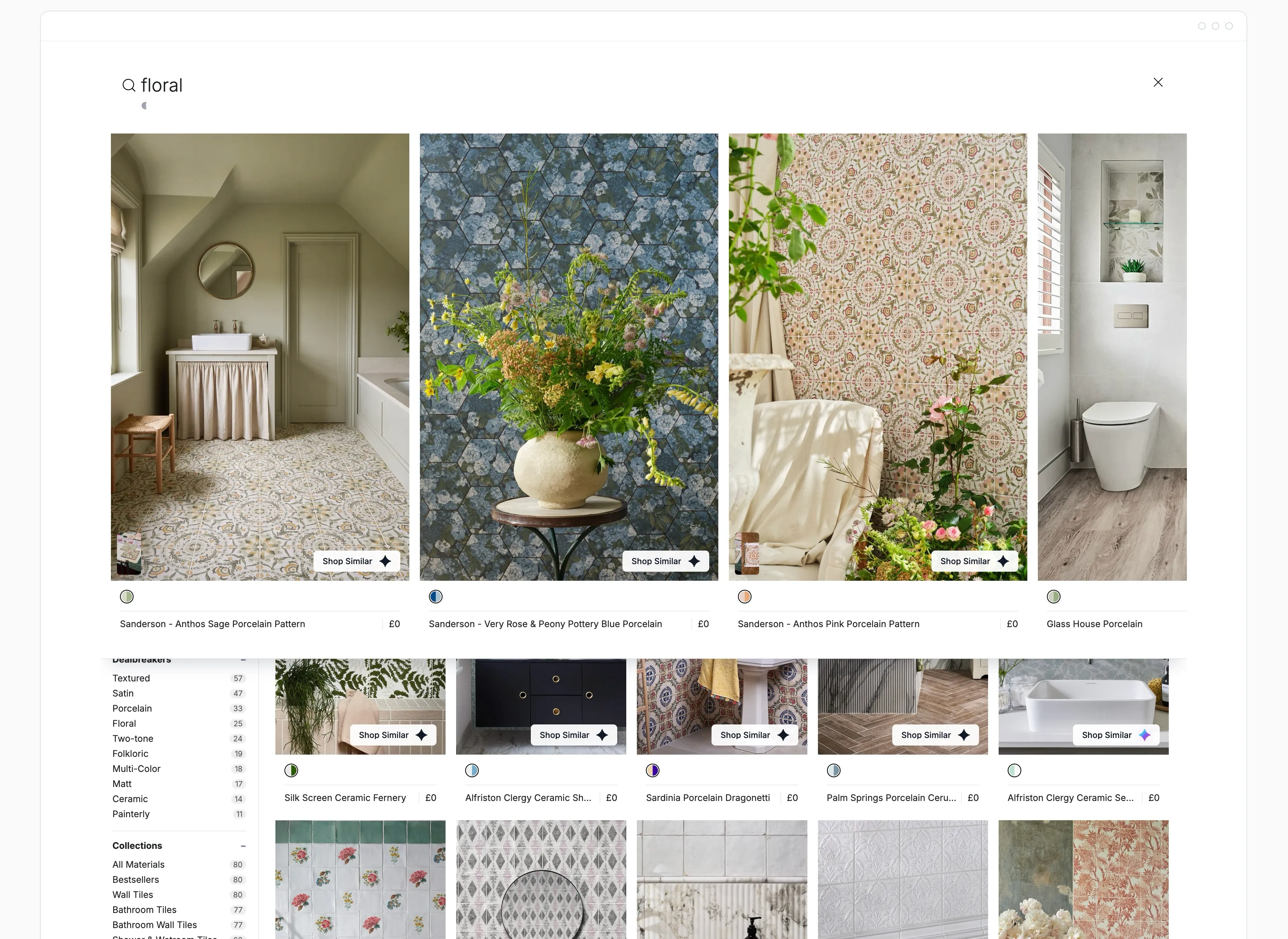
The Index search interface showing a natural language query and matching products

The discovery problem

Keep discovery coherent across a complex Shopify estate.

A Shopify Plus team may be managing several categories, regional storefronts and release schedules at once. The difficulty is often maintaining relevant product journeys while stock, variants and merchandising priorities change across those contexts.

Map the highest-friction surface first. Separate a shopper relevance problem from a market-eligibility problem or an operational bottleneck, then choose a category and market where the team can establish a reliable baseline.

Where RecoMelon fits

Choose the discovery surface with the clearest opportunity.

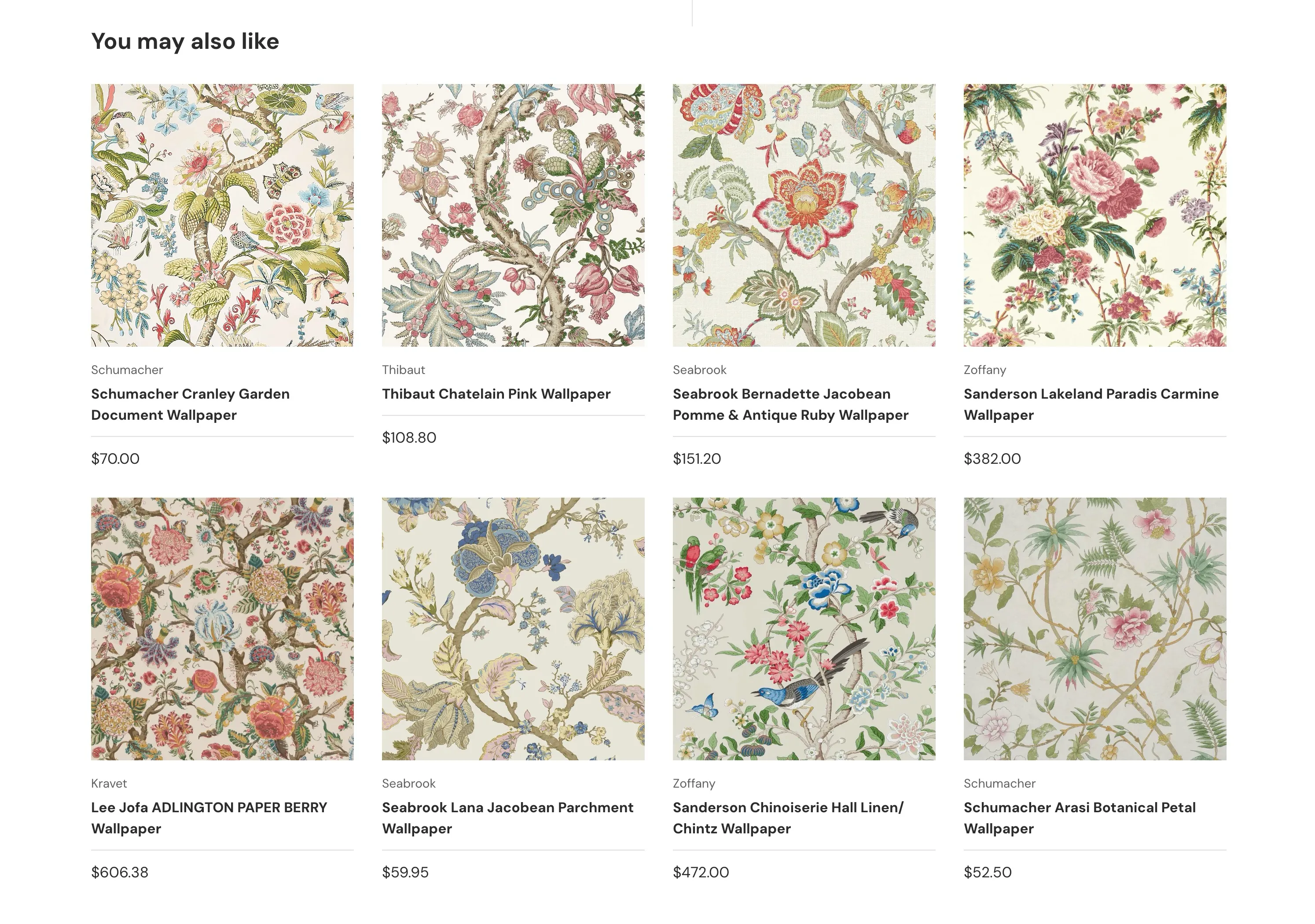
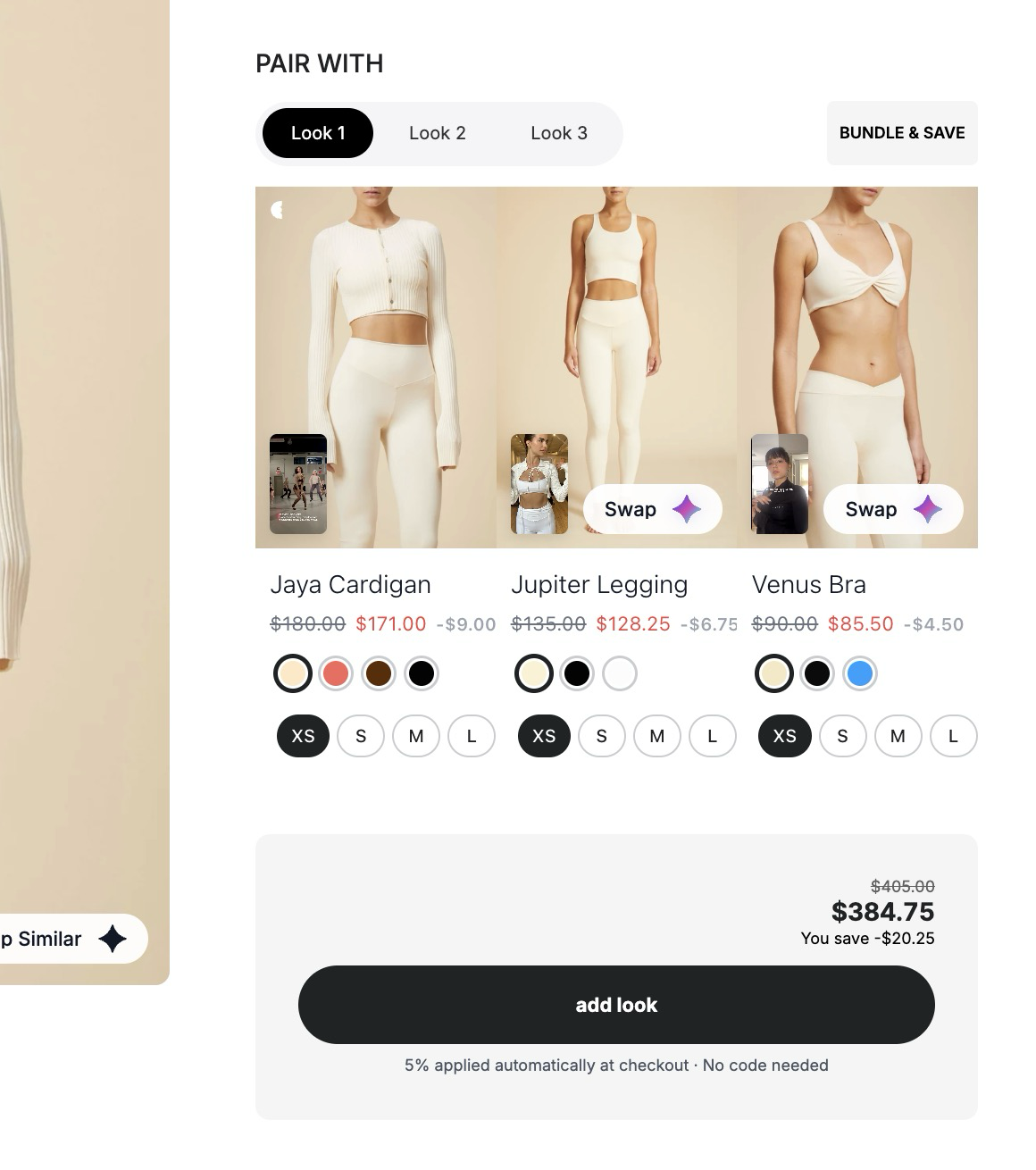
RecoMelon can be evaluated across natural-language search with The Index™, PDP alternatives with Reveal™ or Shop Similar, and complementary sets with Bundles™. VisualDNA™ provides product relationships that can support these visual decisions.

Start with the capability that addresses the documented gap. Use current product and variant data to constrain the experience, and review representative recommendations with the merchandising team before exposing them to the selected audience.

Coexistence and implementation

Treat rollout as a governed storefront change.

For a theme-based storefront, review the relevant Shopify blocks, sections and templates. For a custom or headless implementation, scope the delivery path with the storefront team. Agree ownership of catalog ingestion, market eligibility, analytics and releases.

Keep the initial deployment bounded and define a fallback for the selected surface. Confirm how exclusions and commercial priorities will be applied in the actual setup rather than assuming every storefront in the estate is configured identically.

Evaluation and evidence

Prove one market before widening the rollout.

Measure product exploration, recommendation engagement, conversion and average order value for the selected category and market. Record implementation work, merchandising review time and exceptions that need manual attention.

Use consistent attribution and a suitable control where traffic allows it. Expand only after checking that the result holds across the relevant devices, stock conditions and shopper journeys; success in one market is a reason to test the next, not a guarantee.

How is a Shopify Plus deployment scoped?

Start with the catalog, markets, storefront architecture and priority discovery surfaces. Agree how products and variants are ingested, which system owns each experience, how analytics are attributed and how releases are governed.

Can RecoMelon start on one market or category?

Yes. A phased rollout provides a lower-risk way to validate relevance and commercial outcomes before expanding.

Does RecoMelon require a theme rebuild?

No blanket rebuild is required. Shopify 2.0 blocks and sections support many deployments, while custom or headless storefronts are scoped to their architecture.

Define the lowest-risk enterprise starting point

Share your catalog scale, markets, storefront model and current discovery stack. We’ll map a phased deployment.

Request a catalog review